
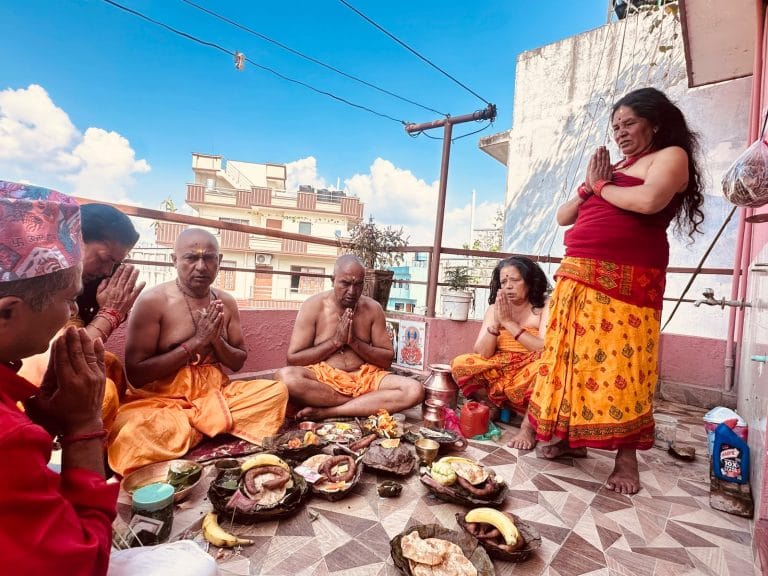
For sixteen sacred days, we pause to remember where we came from. Indeed, Sorah Shraddha represents that sacred pause, a time we dedicate to our Pitṛs, our ancestors and departed family members.
What does Shraddha really mean?
The Sanskrit word Śrāddha (श्राद्ध) originates from Śraddhā (श्रद्धा), which means faith, respect, sincerity and heartfelt devotion. Therefore, Shraddha signifies much more than a ritual. Above all, it serves as an act of gratitude and a heartfelt expression of love for the generations who made our life possible.
Why do we observe Sorah Shraddha?
In Vedic wisdom, life never stands isolated. Rather, we exist as part of a continuous flow, deeply connected through time and responsibility.
To illustrate this connection, honoring our lineage constitutes Pitṛ Yajna, one of the Pancha Maha Yajnas, the five sacred duties of a householder. Consequently, during Sorah Shraddha, we acknowledge that our ancestors nurtured everything we enjoy today.
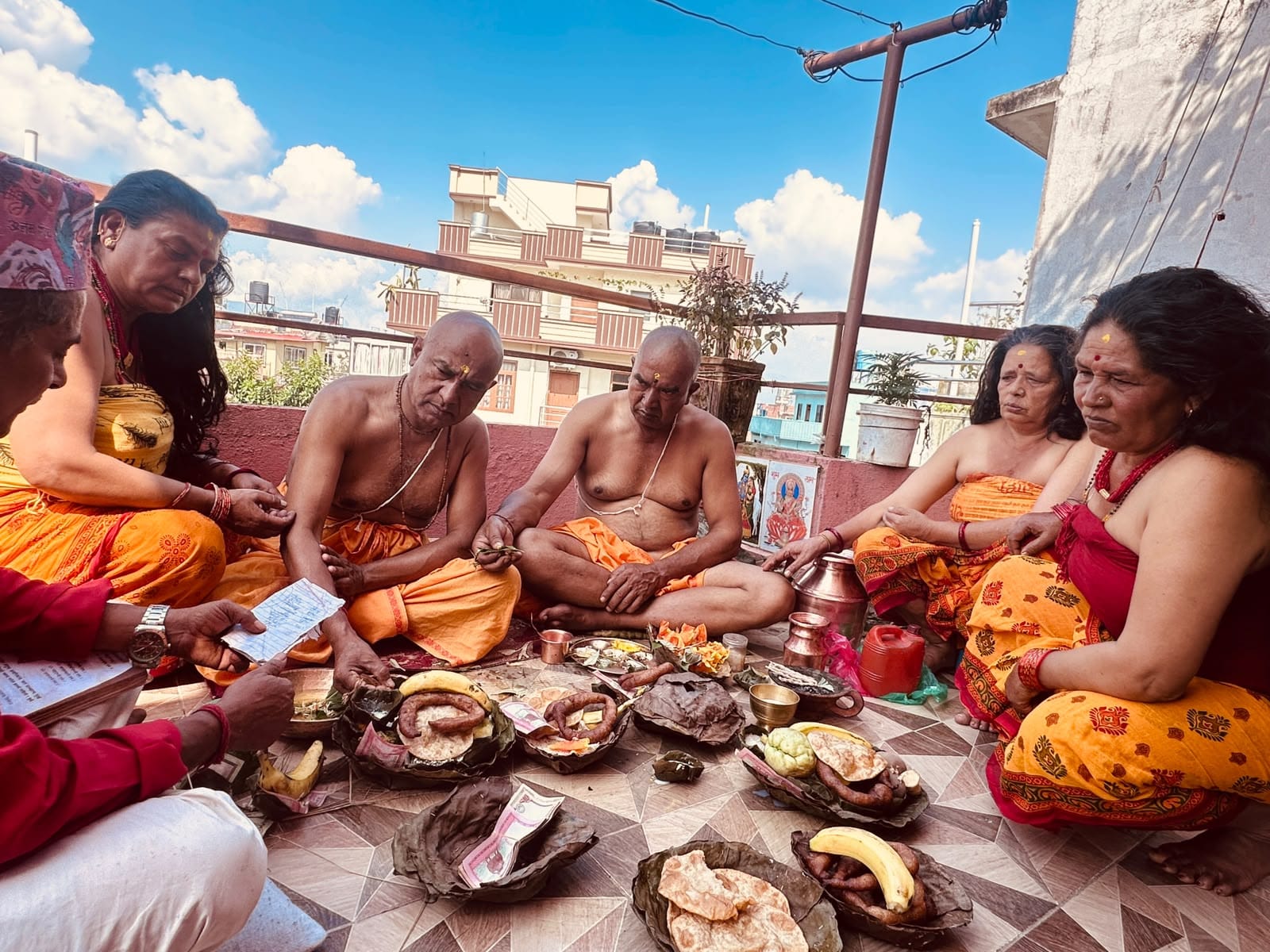

How families traditionally observe this time
Practices often differ by family, region, Sampradaya and tradition. Consequently, you should always follow your own family guidance. Generally, families observe this period in the following ways:
- TarpanaOffering water and sesame with love and remembrance
- Pinda DanaWhere tradition prescribes this offering
- Shraddha RitualsPerforming rituals as per family custom and guidance
- Mantra & PrayerChanting, praying and quietly remembering
- Sacred ReadingReading or listening to spiritual teachings
- Anna Dana & SevaOffering food to Brahmins, guests, or those in need, and practicing charity
- Compassion for BeingsCaring for animals and birds where families traditionally practice it
- SimplicityMeditating and embracing simplicity and spiritual reflection
Shraddha is not about fear
Importantly, Shraddha does not stem from fear. Instead, we practice it out of love. In essence, it represents a practice of remembrance, gratitude and responsibility.
Living Shraddha beyond the ritual
True respect for our ancestors extends far beyond rituals. For instance, it reflects in how you live every day. Specifically, respecting your living parents and elders, serving society, protecting nature, practicing compassion, walking the path of Dharma, and passing good values to the next generation, all of these express profound Pitri respect.
A time for inner reflection
Finally, Sorah Shraddha quietly invites you to reflect and ask:
- Where did I come from?
- What have I received from my lineage?
- What values am I carrying forward?
- How am I living today?
- What will I leave behind for the next generation?